hello@mydataremoval.com
 (855) 700-2914


There are fears that one day, AI might take over our lives. It’s just like one of those dystopian movies where AI is ruling over humans. Sadly, this is more likely to become a reality as the US military partners with the world’s most powerful AI companies.
The deal will allow the use of AI in military operations. The potential risks include AI overreliance, civil liberties violations, and data inaccuracies.
According to a new Google research study, over 90% of federal government agencies in the US are already using AI. This includes the IRS, Department of Energy, U.S. Postal Service, and more. Now, the US military has inked a deal to use major AI agents.
US Military Inks Deal With 7 AI Companies

According to the Pentagon, it has signed new agreements with 7 major AI tech companies. This includes:
- OpenAI
- Amazon
- Microsoft
- SpaceX
- Reflection
- Nvidia
The agreements will allow the military to use AI tools for “lawful operational use.” As to what makes an operational use of AI “lawful”, it’s not specified. Regardless, the Pentagon argued that having multiple AI companies ensures access to a wide range of AI features and that it reduces reliance on a single provider.
Officials are already saying that AI tools have improved the efficiency of the military. There are now over a million personnel using AI to finish tasks in days (which would have taken months before).
AI has been integrated into military operations, with systems like the Maven Smart System that analyze tons of data from various sources (e.g., drones, satellites, and social media). The analysis is used to identify potential targets, conduct intelligence analysis, and even stimulate battlefield scenarios. One example of this was the usage of AI in Iran and Venezuela for strategic planning and target identification.
The Origins of AI Use in the Military
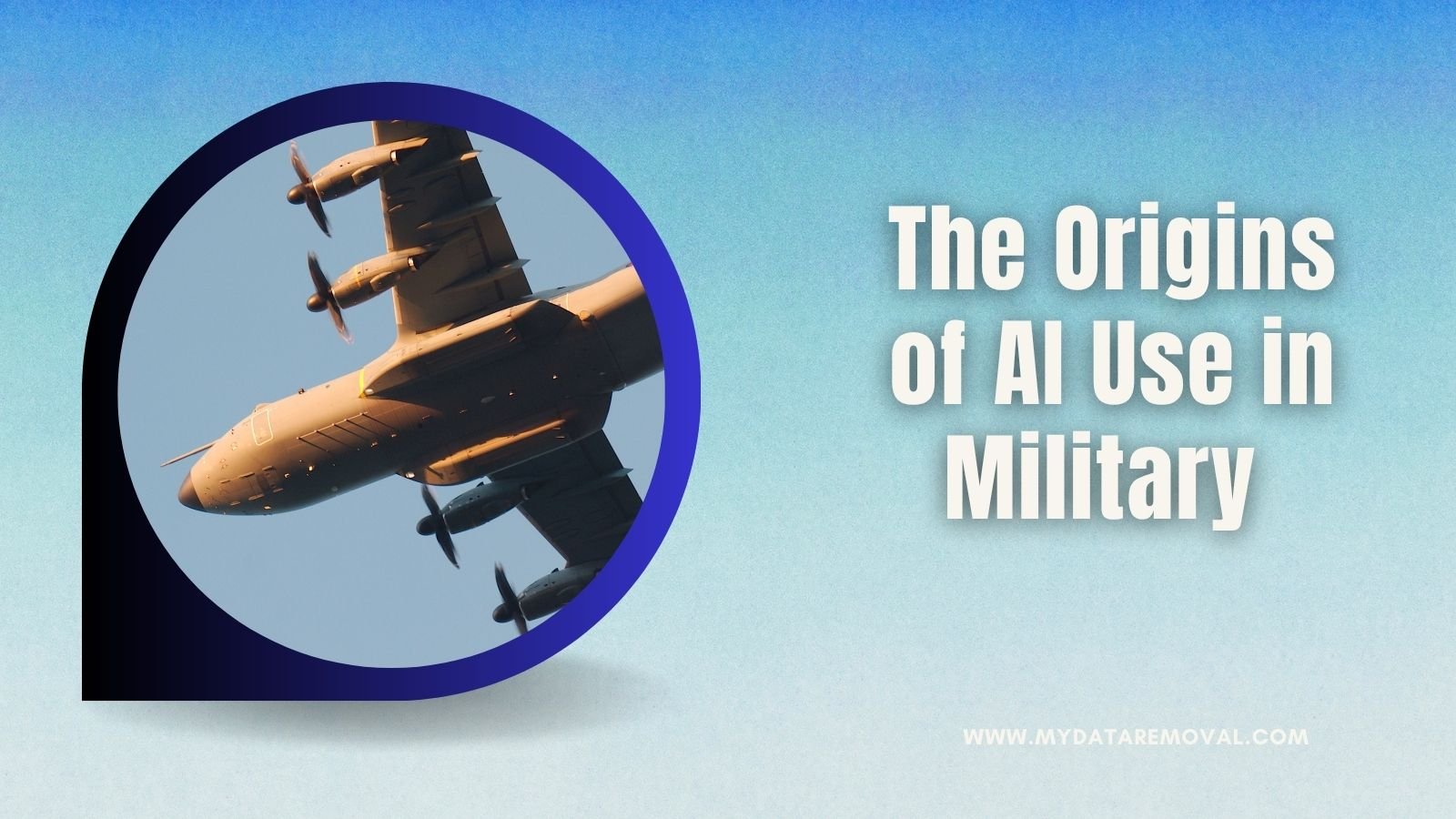
The use of AI in the military started in 2016 when the U.S. The Department of Defense allocated billions of dollars for AI programs (experts say there might have been additional funding for classified projects). Some of the investments were for the following:
- Autonomous weapons
- Drone technology
- Data centers
- Private contractors (e.g., Anduril and Palantir)
And for 2026, the Pentagon has already requested over $13 billion in funding for autonomous systems, with the aim to achieve what the Pentagon says is an “AI-first fighting force.”
Among the AI companies that received a cooperation proposal from the Pentagon, one company said no to the agreement, which was Anthropic. It had declined to let unrestricted use of its AI, potentially for domestic surveillance and warfare. After this, the Defense Secretary had labelled Anthropic as a “supply chain risk.”
Anthropic has then filed a lawsuit. It argued that the government had retaliated against the company for raising ethical concerns, expecting to raise the case to court later this year. And still, Antropic’sClaude AI continues to be used by the government agencies, with the CEO, Dario Amodei, warning the public that AI use could enable unnecessary mass surveillance and the creation of autonomous weapons.
The Risks and Concerns

While there are clear benefits from using AI (e.g., improved logistics, faster decision-making, predictive maintenance, etc.), there are also valid concerns, such as the following:
- Risk No.1: Overreliance on AI: The idea of the military becoming an “AI-first fighting force” signifies an excessive dependence on AI, which can be very risky. For example, it can diminish the importance of human skills and critical judgment, which are important for military operations. Also, it might lead to operators blindly trusting AI and skipping proper verification, which can result in errors on the battlefield.
- Risk No 2: Potential Violations of Civil Liberties: AI tools can enable surveillance, which in the military context often infringes on civil liberties, including freedom of expression, due process, and privacy. An example of this is the massive data collection using AI without clear consent or oversight. Another example is spyware like Pegasus being used for unauthorized civilian monitoring.
- Risk No 3: Data Inaccuracy: AI tools collect and use datasets that are often incomplete, outdated, or biased. So, when the military starts to use AI, it could potentially lead to misidentifications, unfair outcomes, inaccurate results, and more.
- Risk No. 4: Machines Without Human Oversight: According to research, AI itself can’t empathize or discern good from evil. This is because the ethical qualities of AI rely on how human developers program the system. This could potentially lead to autonomous machines that can’t apply ethical nuance. This is why human oversight is necessary for AI to act ethically.
Conclusion
Overall, the US military’s deal with the AI companies will allow the use of AI tools in military operations. And while it can be beneficial, there are valid concerns about data privacy, inaccuracy, lack of human oversight, and violations of other civil liberties.
Frequently Asked Questions
Which jobs will survive amid the AI takeover?
According to Bill Gates, 3 jobs are likely to survive the rise of AI. This includes: software developers, biologists, and energy experts. These roles will likely remain as they require unique human skills.
Which country leads in AI development in 2026?
The No. 1 and the clear global market leader for AI is the USA. It has the strongest AI market, especially when it comes to global reach, the number of AI companies (40% of all AI companies globally), and funding.
Who are the current Big 4 AI agents?
The current big four AI agents are Google DeepMind, OpenAI, IBM Watson, and Microsoft. These AI agents are playing huge roles in shaping the future of AI. That’s why companies are focusing on leveraging the unique offerings of each of these AI agents.