hello@mydataremoval.com
 (855) 700-2914


We can consider AI as a valuable innovation. With it, we can do repetitive tasks more easily. However, as we’ve always mentioned, AI has its fair share of negatives, including its use in cyberattacks. As Buckminster Fuller has said, “Humanity is acquiring all the right technology for all the wrong reasons.”
The 4 common AI cyberattacks are AI social engineering, AI-generated phishing, AI-powered ransomware, and deepfakes. Individuals and organizations can prevent these by using an automated security system and using AI for cybersecurity.
According to experts at MIT Sloan, AI is now being used for cyberattacks more often than you think. In a study by SoSafe (a security awareness solution in Europe), it was found that 87% of organizations have encountered an AI cyberattack in 2024.
Now, how do cybercriminals use AI to target individuals and organizations? What are the common AI-powered cyberattacks?
4 Common AI Cyberattacks
Here are four common AI cyberattacks:
1) AI Social Engineering

Social engineering is a type of cyber-attack that exploits human error and psychology, not targeting technological vulnerabilities. This includes emotional manipulation, utilizing fear, urgency, and our trust.
As you can imagine, social engineering before the time of AI was simpler. But now that there are more AI tools, social engineering has evolved. Cybercriminals now leverage AI algorithms to increase the efficiency of research, conceptualization, and execution.
Additionally, criminals can use AI to improve their emotional manipulation. For example, they can ask AI chatbots to edit their messages to make them more conversational or emotionally appealing.
2) AI Phishing Attacks

Phishing is one type of social engineering. Scammers now use AI chatbots to create realistic, professional, and error-free messages. As Naveen Balakrishnan, managing director at TD from Harvard, said, AI tools allow cybercriminals to do “very personalized deep phishing tactics.”
What’s worse, even detection tools find it much harder to detect AI-generated phishing emails compared to those written by humans.
Overall, phishing messages are now more effective with AI. It’s easier for scammers to deceive you into sharing your information, granting them access to your systems, downloading malicious apps or files, and giving them money.
3) Ransomware

Cybercriminals are also leveraging AI to empower ransomware–improving and automating their attacks. In some instances, they use AI to speed up the process of identifying system vulnerabilities. That way, criminals can immediately prepare attacks that target the vulnerabilities they found.
In addition, criminals can use AI to modify and adapt ransomware files over time. This will make them harder to pinpoint and prevent–even with cybersecurity tools.
4) Deepfakes
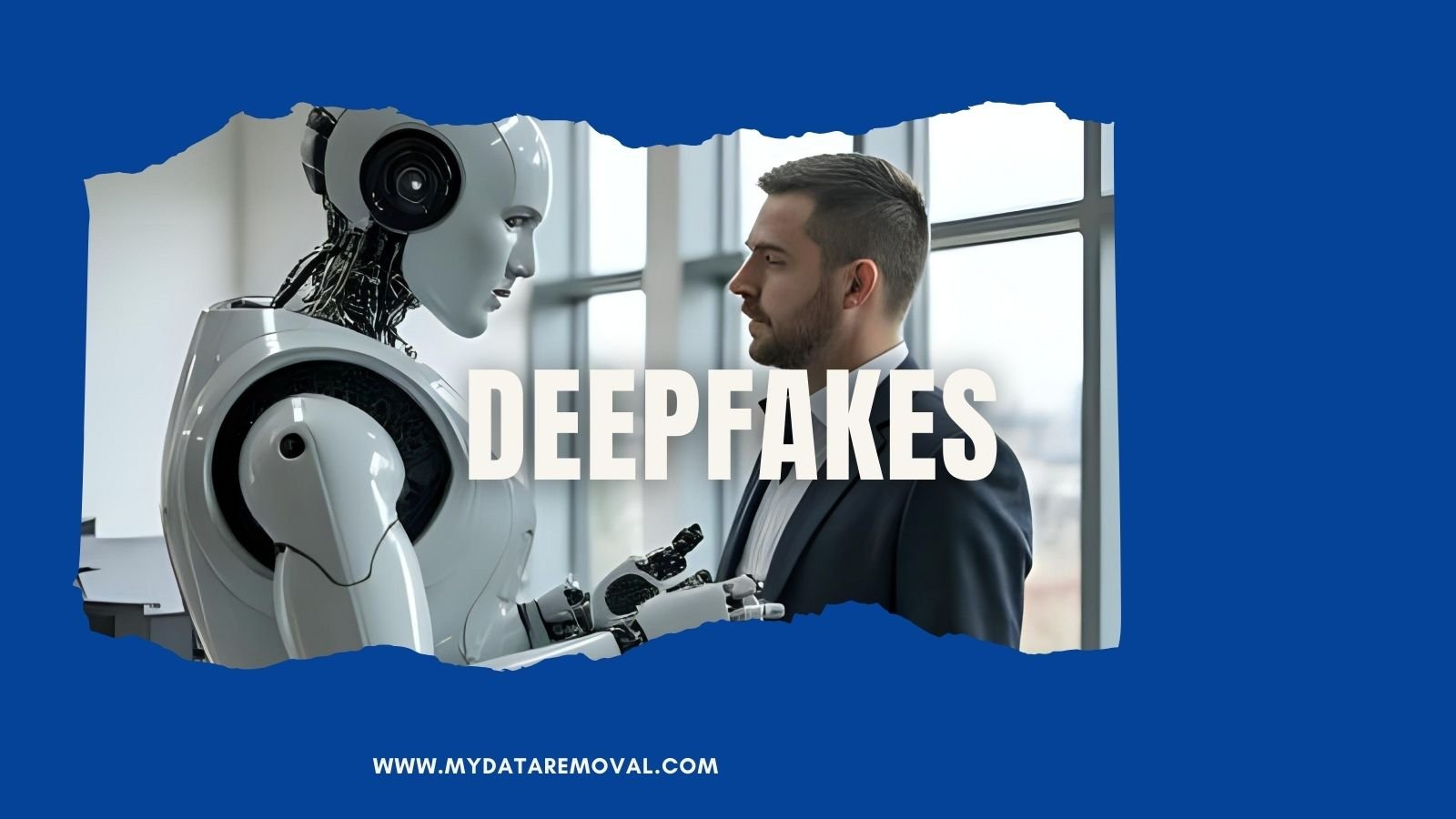
The last common AI-powered cyberattack is a deepfake.
If you’re a frequent social media user, then you’ve probably already seen a deepfake, which is an AI-generated image, video, or audio–recreating the face or voice of real people. While other people use AI deepfakes for fun, cybercriminals use them to deceive people.
Some create deepfake content on politicians as part of disinformation campaigns, or to trick people into providing information or sending money as “donations.” Others clone celebrities for romance scams.
According to a survey from Medus, over 50% of finance professionals have already been targeted with deepfake scams. Additionally, more than 43% admitted that they have fallen victim to a deepfake.
3 Prevention Tips
Here are the three things you and organizations can do to prevent these AI cyberattacks:
- 1) Automate Security Hygiene: Make sure that you have an automated security system that will be able to keep up with evolving AI cyberattacks. Some examples are self-patching systems, zero-trust-based frameworks, self-healing software code, and the like. These will be helpful in ensuring that you won’t have vulnerabilities that AI attacks can exploit.
- 2) Implement AI Security Solutions: You can also use AI for cybersecurity. For example, you can adopt an email security system that leverages behavioral AI, blocking phishing and other scams.
- 3) Practice Augmented Oversight and Reporting: Ensure that executives have real-time data-driven insights. This is so that the organization will be able to spot potential problems and predict their impact.
Conclusion
Overall, AI cyberattacks are a threat we all should be concerned about. You should be up to date because these AI tools will just continue to improve, which means AI-powered cyberattacks will be more effective. So, stay aware, know what to expect, and prepare preventative measures.
Frequently Asked Questions
What are the 4 types of AI tools?
There are four types of Artificial Intelligence. This includes the reactive type (e.g., IBM’s Deep Blue, Netflix recommendation engine, and email spam filters), limited memory type (e.g., autonomous cars), theory of mind (acquires human-like decision-making capabilities), and the self-aware type (the future of AI).
What is the top country when it comes to AI?
According to a report by TRG Datacenters, the United States leads the AI clusters, with 50% of global power for AI. The second place is the United Arab Emirates, while Saudi Arabia takes the third place.