hello@mydataremoval.com
 (855) 700-2914


Did you know that people can guess your name based on your facial features? That’s according to researchers at Hautes Etudes Commerciales in Paris. The study found that the correct name can be guessed at most 40% of the time. That was in 2017. Today, it’s easier for someone (even scammers) to know your real name, thanks to the internet.
Scammers can get your name through 1) social media, 2) data brokers, 3) companies, and 4) data breaches/dark web.
We’re now living in a world where we can get everything online. That includes our personal information. Scammers don’t have to guess your name anymore. They have various sources to draw from.
1) Social Media
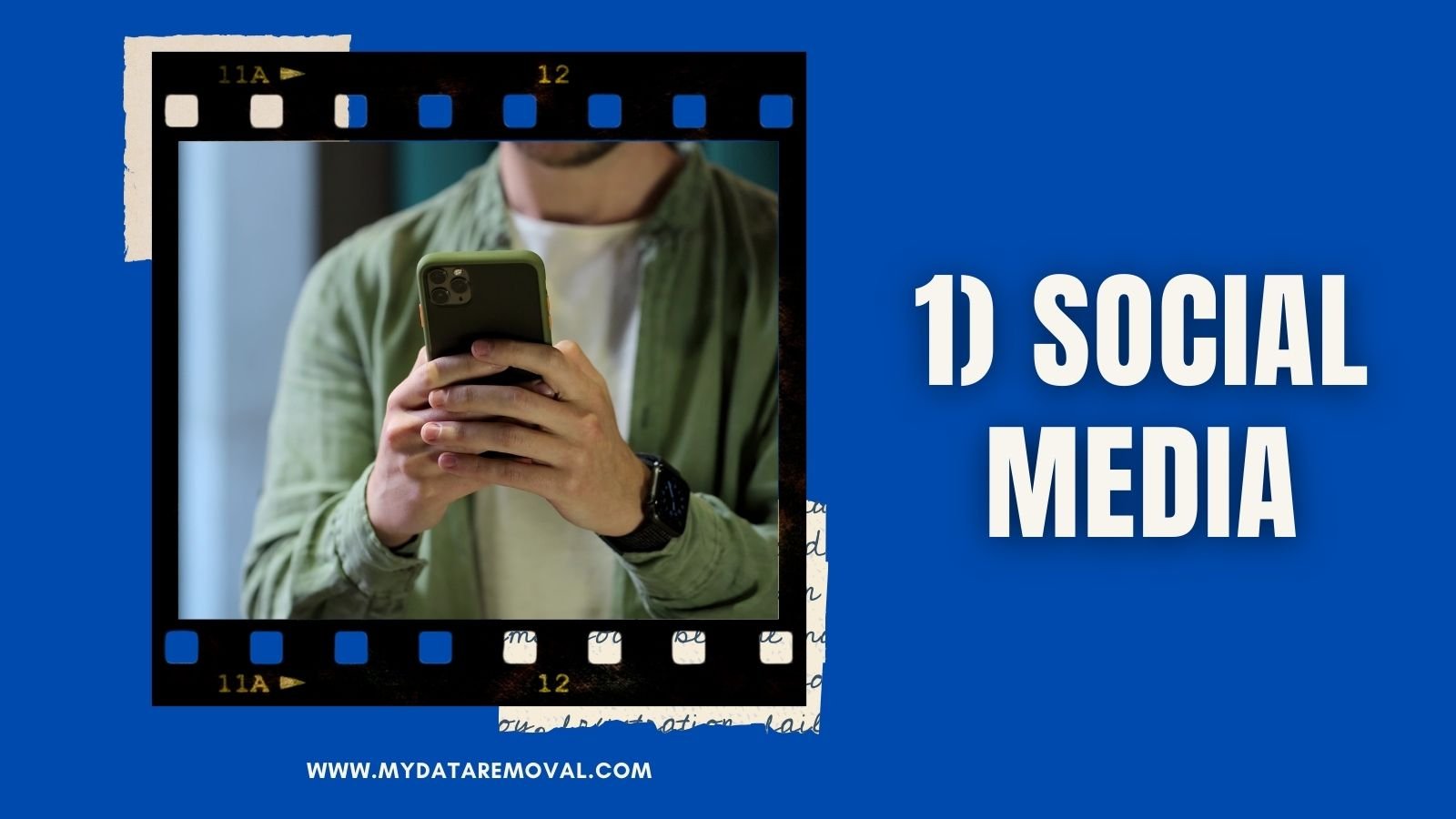
One source scammers use to know your name is social media. This includes platforms such as Instagram, Facebook, Snapchat, YouTube, and even LinkedIn.
Many people use their real names or overshare on social media. Based on a report from Proofpoint (an email and social media security company), over 80% of users share their information on social media every week. Additionally, over 42% publish a post every day. What’s more concerning is that half of the people share the names and photos of their children.
This makes it easier for scammers to know your real name. And even if you don’t, scammers can use your list of friends and look for posts where you’re tagged in, with mentions of your name.
2) Data Brokers
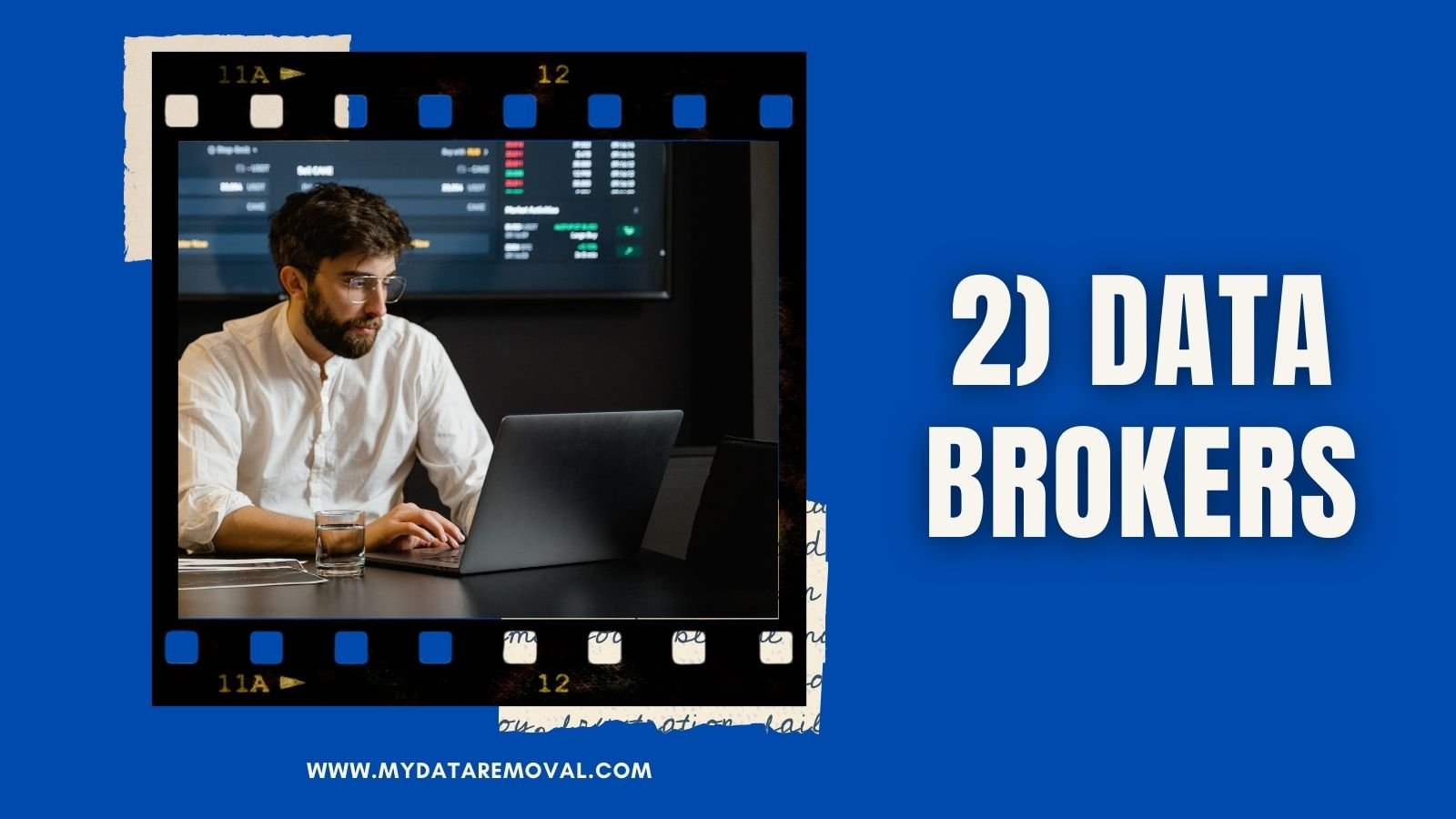
Another source for your name is data brokers—companies that collect and sell your information. You may have already heard about some of them, such as Experian, Acxiom, Equifax, Oracle, and LexisNexis. These companies look for your data from various sources, such as the following:
- Public records (e.g., voter registrations and court records)
- Digital footprint (e.g., browsing history)
- Buying history
- Social media
These companies don’t have just your name. They also collect your addresses, email addresses, contact numbers, and information about your relatives, among other details. According to the Federal Trade Commission (FTC), data brokers also collect more specific information, such as your financial status (whether or not you’re financially challenged), and frequency of alcohol intake.
One type of data broker is people search sites, which are companies that list personal information for everyone to view, including people with bad intentions. One example of this is TruthFinder, which enables users to search for people’s names, police records, contact information, social media profiles, court records, and even details about relatives.
3) Companies

Companies also collect your name and other details, making them an additional source of information for scammers. And the thing is, every company today is collecting and sharing customer data–from financial institutions, insurance companies, and phone companies, to healthcare companies and more. It’s just the reality of today.
There are two ways companies collect your data:
- Method No. 1: Direct Collection: From the moment you buy a product or sign up for a service, you become subject to data collection. It’s because of the terms and conditions you agree to, which entail how personal data will be collected, what pieces of information will be collected, and what companies will do with it. Sadly, not everyone reads these terms, which is understandable, due to their length and complexity. According to studies, over 90% of consumers agree to terms and conditions without reading them.
- Method No. 2: Buying From Data Brokers: Marketing agencies consumer data from data brokers that collect consumer purchasing habits or social media activity. Insurance companies can also get data from brokers that offer information used for background checks (e.g., credit reports, driving habits, and risk assessment). This creates a never-ending cycle of data collection–even after you delete your information from data brokers, chances are that it’s already in the hands of other companies.
4) Data Breaches or the Dark Web
Another way scammers can get a hold of your name is through data breaches, which happen because of companies that collect excessive amounts of personal data. When hackers attack companies, they can gain access to databases, steal customer information, and then put your information for sale on the dark web. From there, scammers can buy your data and use it for their schemes.
One example is the National Public Data (NPD) breach. NPD was a data broker company that had specialized in background checks. In April 2024, NPD was attacked by USDoD, a cybercriminal group. The hackers accessed and posted a database that contained sensitive data of nearly 3 billion Americans.
Some of the compromised details are the following:
- Full names
- Social Security numbers
- Addresses
- Dates of birth
- Email addresses
- Information about relatives
These pieces of information were published on the dark web. After this, NPD faced criticism and lawsuits over data collection, lack of transparency, and poor handling of data. Then, on October 2, 2024, NPD filed for bankruptcy, leading to a complete business shutdown in December 2024.
This case highlights how concerning it is that companies and data brokers have your data, even though they’re prone to cyberattacks.
4 Ways to Keep Your Name Private
1) Use Pseudonyms:
Instead of using your real name, you can opt for unrelated, random fictitious names–whenever possible. For example, for your email address, instead of using “alexrivera@gmail.com,” you can use “cafedog34@gmail.com.” This way, scammers won’t be able to get your name just by looking at your email address. You can follow the same approach for your other accounts.
2) Opt Out of Data Brokers:
You can keep your name safe from data brokers through opt-outs. You can do this manually by visiting every data broker website and going through their opt-out process. You can use our free scan to know exactly which data brokers have your data. Additionally, you can use a data removal service, such as ours, which will automate the opt-out process for you—ideal if you don't have the time to do it yourself.
3) Limit Social Media Sharing:
It's also ideal to limit what you share on social media. This means not posting details that scammers can use, including your name, contact details, address, and information about your relatives. You can also use a different name. For enhanced social media privacy, consider making your accounts private. That way, only people you know and trust can see what you share online.
4) Be Careful With Apps:
Make sure that the apps you use don't collect more information than necessary. Also, see if the app is sharing your information with other companies, and if you have the option to opt out of data sharing.
Conclusion
To sum it up, scammers get a hold of your name through social media, data brokers, companies, data breaches, or the dark web.
You can keep your name, among other personal information, private by using pseudonyms, opting out, limiting what you share online, and scrutinizing the apps on your phone.
Frequently Asked Questions
Can you get hacked by replying to a scammer?
No, you won't get hacked by simply responding to a scam text. However, it does make you more prone to vulnerabilities, like a scammer confirming that your number is active, which could lead to future hacking attempts.
What can scammers do with your name and address?
With your name and address, scammers can target you with various scams. This includes mail fraud, change-of-address scams, and home visits where scammers pretend to be service providers, law enforcement officers, or government officials.