hello@mydataremoval.com
 (855) 700-2914


2026 is full of possibilities. We have a lot to look forward to. There's the FIFA World Cup. Some are expecting to reach milestones, such as career advancements, personal growth, and weddings. But aside from the good stuff, there is also bad stuff that we'll have to face in 2026, like scams.
The 6 scams you should look out for in 2026 are: 1) the digital arrest scam, 2) employment scams, 3) hello pervert scams, 4) deepfake customer service, 5) QR code scam, and 6) One-Time Passcode scam.
According to research from the Global Anti-Scam Alliance, scam victims from over 40 countries have lost $442 billion in 2025. As scammers continually develop new tactics, there will likely be larger financial losses from scams in 2026.
Here are 6 scams to look out for in 2026:
1) Digital Arrest Scam
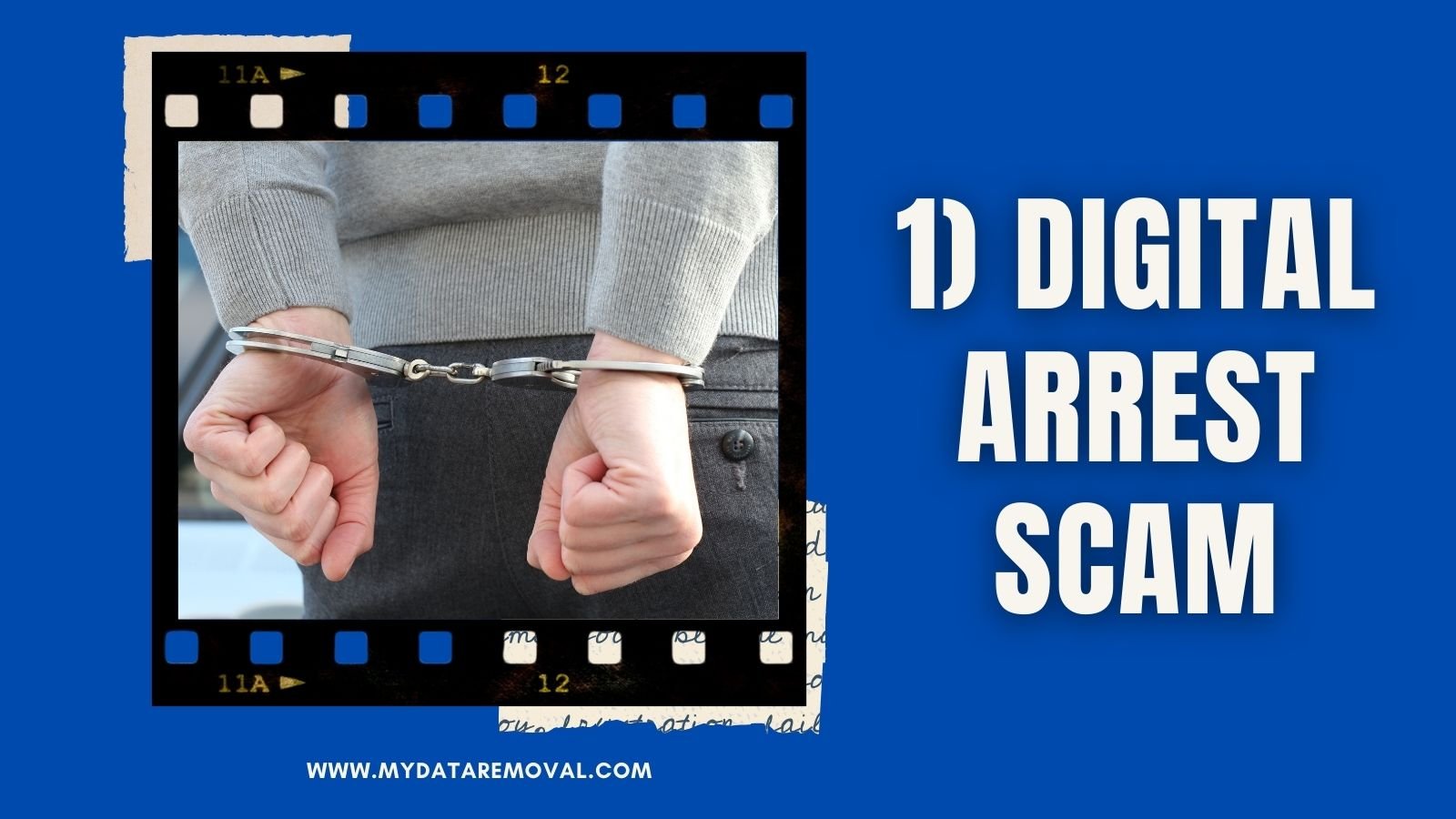
The digital arrest scam is where scammers call their targets, saying they're under criminal investigation. They impersonate police officers and claim you're under investigation due to money laundering, tax fraud, and other crimes.
In some cases, scammers pretend to be customs officials and claim that they've intercepted drugs that were on the way to your home. They’ll interrogate you via phone or video calls. It can take days. The scammers’ goal is to pressure you into providing information or paying fake fines.
In a case reported by the BBC, a woman received a phone call from someone claiming to be from a courier company. The caller claimed that Mumbai customs had seized drugs that the woman was allegedly sending to Beijing. They kept her under 24/7 surveillance through Skype. She was pressured into liquidating her savings and transferring them to the scammers, leading to a loss of $663,390.
What makes this scam more convincing is that scammers are now using AI to generate convincing deepfake videos, and even forged documents (e.g., arrest warrants and court orders). These tools help scammers appear more credible and make it easy for them to deceive victims.
What you can do:
- Always verify claims.
- Don’t send money.
- Check for signs of deepfake (e.g., facial anomalies, inconsistent lighting, lip-sync issues, etc.).
- Try reverting the transaction by contacting your bank immediately.
2) Employment Scams
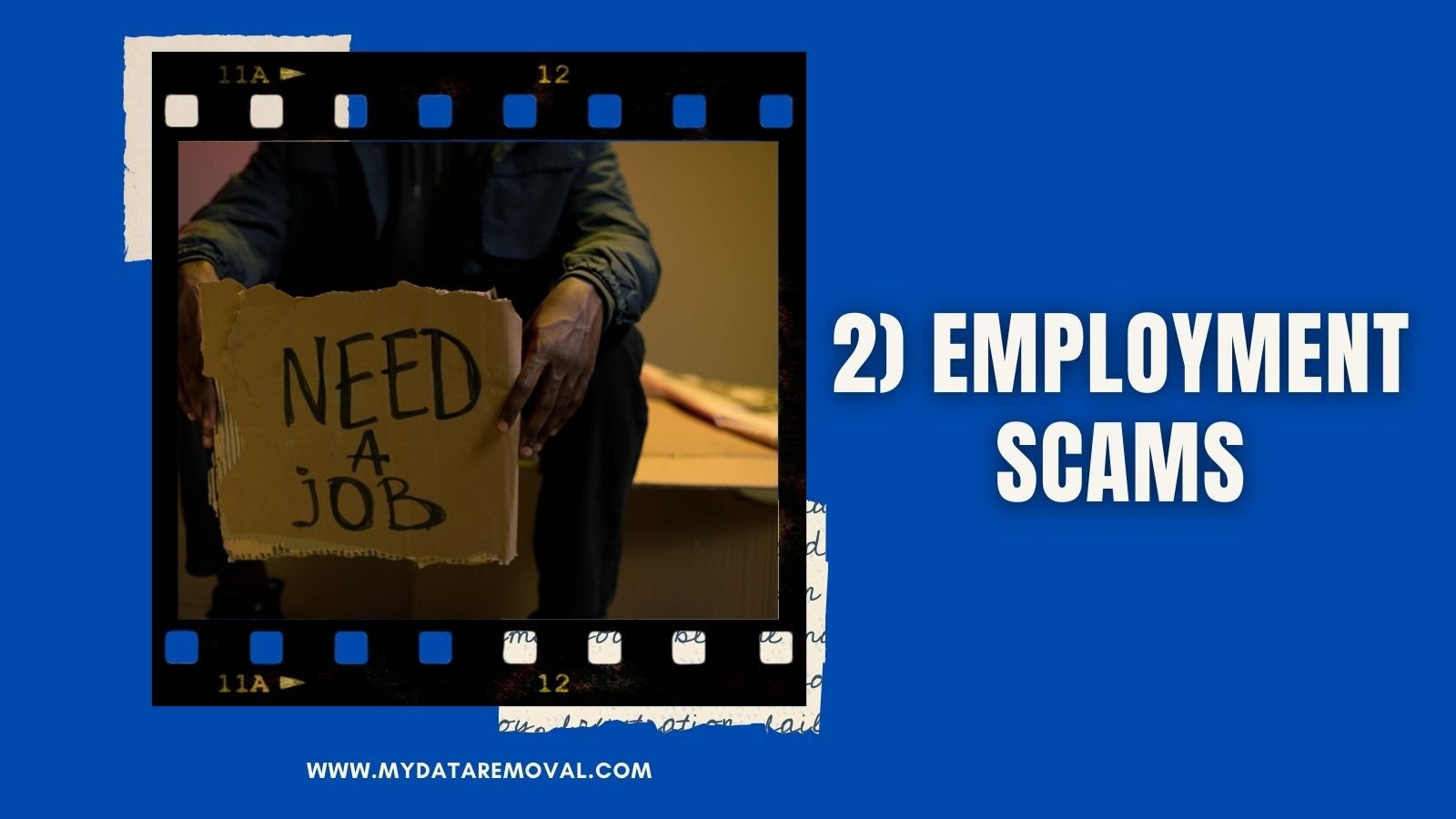
In 2025, we saw major companies that announced layoffs. This includes Amazon, Dell, Microsoft, Nissan, and Nestlé. According to reports, over 1.17 million American workers were laid off in 2025. With this, even more people will be looking for jobs. And that’s why we can expect a rise in employment scams in 2026.
Employment scams can be fake job offers posted on social media or job search websites, promising high pay, but you’ll have to pay in advance for training kits. It can also be hiring managers telling you to pay for and take a certification program so that you’ll be qualified for the position.
Another type is the reshipping job scam. This is where scammers offer high-paying work, with a fancy job title, such as “Logistics Specialist,” making the offer seem more professional. But once hired, you’ll be receiving packages—products that scammers ordered using stolen cards or bank accounts. You’ll be tasked with removing the original packaging, replacing the tags, and reshipping it overseas. Some victims get paid while unknowingly helping scammers. Meanwhile, some individuals don’t receive payment.
The impact of this scam includes financial loss and data theft because of the personal information you provided during the hiring process. Additionally, it puts you at risk of being wrongfully targeted by law enforcement once they trace the scam to you.
What you can do:
- Avoid job offers with unrealistic pay.
- Don’t pay for a job, certification, or job equipment.
- Be cautious of the fast hiring process.
- Don't be pressured to act immediately.
- Always research the company.
- Don’t give sensitive information until you’re hired.
3) Hello Pervert Scam

The Hello Pervert Scam is where scammers send emails, saying that they’ve hacked your account. They’ll claim to have recorded you while you’re watching porn. Then, they will extort you, threatening to leak the evidence to your email contact list or online if you don’t pay.
This scam works because of the fear of public shame. It’s normal for us to protect our image because we might lose the people we care about. So, when scammers threaten to leak evidence online, victims will likely comply to protect their reputation.
The impact of this scam is immediate financial loss. However, research shows that sexual extortion has a psychological impact as well. Victims reported experiencing distress, anxiety, hopelessness, and self-blame. Additionally, being victimized can disrupt one’s living situation, schooling, or work life. What’s worse is that there are already cases of sextortion victims taking their own lives.
What you can do:
- Protect your accounts through strong, unique passwords.
- Secure your webcam by covering it when not in use.
- Don’t reply to threats.
- Don’t pay, as it doesn’t guarantee that scammers will stop.
- Screenshot the email as evidence before deleting it.
- Report the scam.
- Talk to someone you can trust (e.g., family, friends, or a counselor).
4) Deepfake Customer Service
With AI becoming the trend, there will be a rise in AI-powered scams in 2026. One scam to look out for this year is the Deepfake Customer Service scam. This is where scammers use AI to generate voice bots or videos to impersonate customers. They’ll contact customer service to request credits or refunds. To make their claims more credible, they’ll provide forged documents like receipts with accurate order numbers.
Some scammers impersonate customer service officials. They contact customers to trick them into sharing information or sending money.
What you can do:
- Always verify before sharing information or sending money.
- Examine the video for unnatural facial expressions.
- Ask the person to slowly move their hands across their face and look for distortions.
- Be suspicious if the audio quality is inconsistent.
5) QR Code Scam

Another rising scam is the QR Code Scam, also known as the Quishing scam. This is a type of phishing scam, only it uses QR codes to trick victims.
One way scammers do this is by replacing QR codes seen in restaurant menus, parking lots, and billboards. So, when you scan it, you’ll be redirected to copies of legitimate websites designed to steal your information.
Another way is by impersonating legitimate brands and sending you emails with a QR code in them. It can be about your orders, resubscription emails, or account notifications. They’ll instruct you to scan the QR code, but if you do, it will either lead you to a fake website or infect your device with malware, compromising your information.
What you can do:
- Check if the QR code is different from the ones from a similar brand.
- Don’t trust QR stickers placed over original codes.
- Inspect the email for red flags before scanning the code.
- Remember that legitimate companies often provide direct links instead of QR codes in emails.
6) One-Time Passcode (OTP) Scam
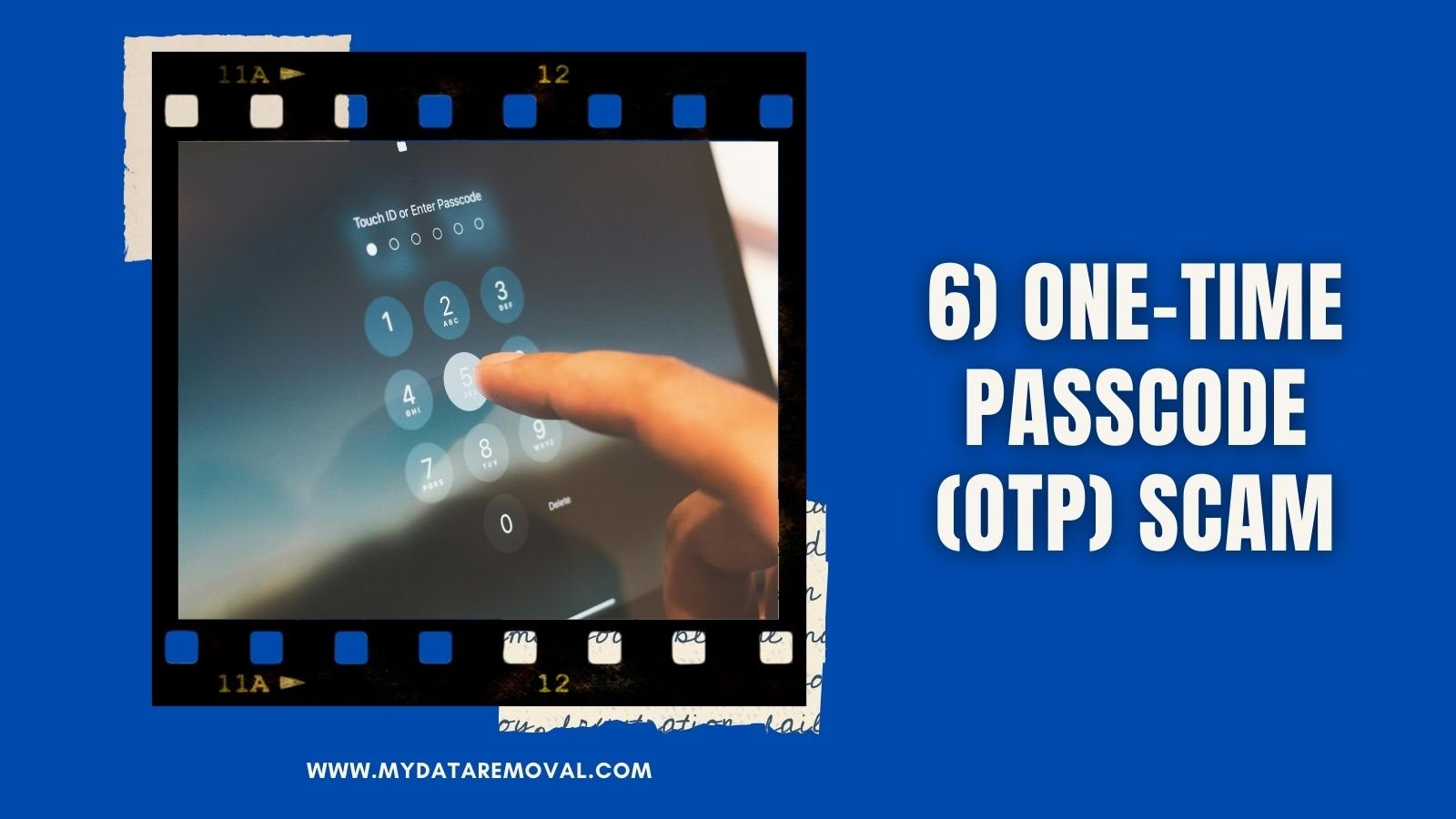
The last scam to look out for in 2026 is the One-Time Passcode (OTP) scam.
We use OTPs to keep our accounts more secure. However, scammers are now finding ways to bypass this security. For example, if scammers get your personal information (e.g., email address, phone numbers, and passwords), they’d be able to use it to intercept OTPs.
With your email, they can try to log in to your accounts. Then, they’ll message you, impersonating your bank, and ask for the OTP sent to your email. Once you provide it, scammers will be able to access your accounts. This can lead to scammers changing your passwords to lock you out.
What you can do:
- Never share your OTP.
- Be wary of urgency, and avoid acting without proper verification.
- Protect your information by opting out of data brokers and removing it from public profiles.
- Verify directly by hanging up and contacting official phone numbers.
Conclusion
Overall, the 6 scams you should look out for in 2026 are the digital arrest scam, employment scams, hello pervert scams, deepfake customer service, QR code scam, and the One-Time Passcode scam.
But remember, these are just 6 scams. Scammers are always coming up with new tricks. So, there’ll likely be more scams that will come up this year. You can protect yourself by staying aware, which you can do by visiting our blog and social media pages.
Frequently Asked Questions
What are the common scammer pitches or phrases?
Some common scam phrases are: 1) You won the lottery!, 2) Make BIG money working from home, 3) Free seminars that can change your life, and 4) Free getaway for you!
Can scammers hack my bank account with my email?
Hackers can't access your online banking with just your email address. However, if you use your email address as your username, your account will be vulnerable. They just have to guess your password. They can also use your email to try resetting your passwords.