hello@mydataremoval.com
 (855) 700-2914


Did you know? There's an increase of over 60% on scam victimization in the US last year. The losses reached nearly $60 billion. That's how big a problem scams are becoming.
The two horrible scam stories you should know about include stories from a fake check scam victim and a romance scam victim. You can avoid falling for these scams by staying aware, following best security practices, and removing your information online.
Now, you might be thinking, “These are just numbers.” To help you understand the impact of scams, we'll talk about two stories from victims. As Anthony de Mello has said, “The shortest distance between a human being and truth is a story.”
Story 1: A Victim of a Fake Check Scam

Our first story is about a fake check scam. The victim is Karl, who shared his story with the Financial Industry Regulatory Authority.
Karl was having a hard time finding work. So, he was open to any opportunity that offered a good salary. One day, he received an email that said he could earn a good amount of money by reviewing the customer service he received from retail stores he visited. He accepted it due to the promise of good pay, an email that looked legitimate, and the tough job market.
The employer had sent Karl a check. It was for $2,950. Then, he was instructed to deposit the check. Eventually, the employer told Kart to visit retail stores to send money orders of $2,600 to locations that the company provided.
After Karl transferred the money, he was tasked to provide reviews on the employees of the stores he visited. He was told to evaluate their helpfulness, demeanor, and more. Additionally, the employer pressured Karl to finish the tasks as quickly as possible.
As Karl completed tasks, he was told to keep $350 as remuneration. It was easy work, so Karl was elated. However, he also had suspicions that the opportunity might have been too good to be true. So, he contacted his bank to check whether the check had cleared. The bank told him that it had cleared. So, Karl completed the wired payments, notified the company, and sent his email report.
Eventually, Karl found out that his bank account had been debited a total of $2,950. It was the full amount of the check he thought had cleared. Later on, the bank informed him that it was a fraudulent check, which meant that Karl just wired his own money.
Karl became a victim because scammers are expert manipulators. They use our emotions, desires, and trusting nature against us. Scammers knew that Karl needed to find work in this tough job market. They also provided highly convincing emails, which were likely made with the help of AI, ensuring that the emails didn't have grammar errors and looked professional.
Story 2: A Victim of a Dating/Romance Scam
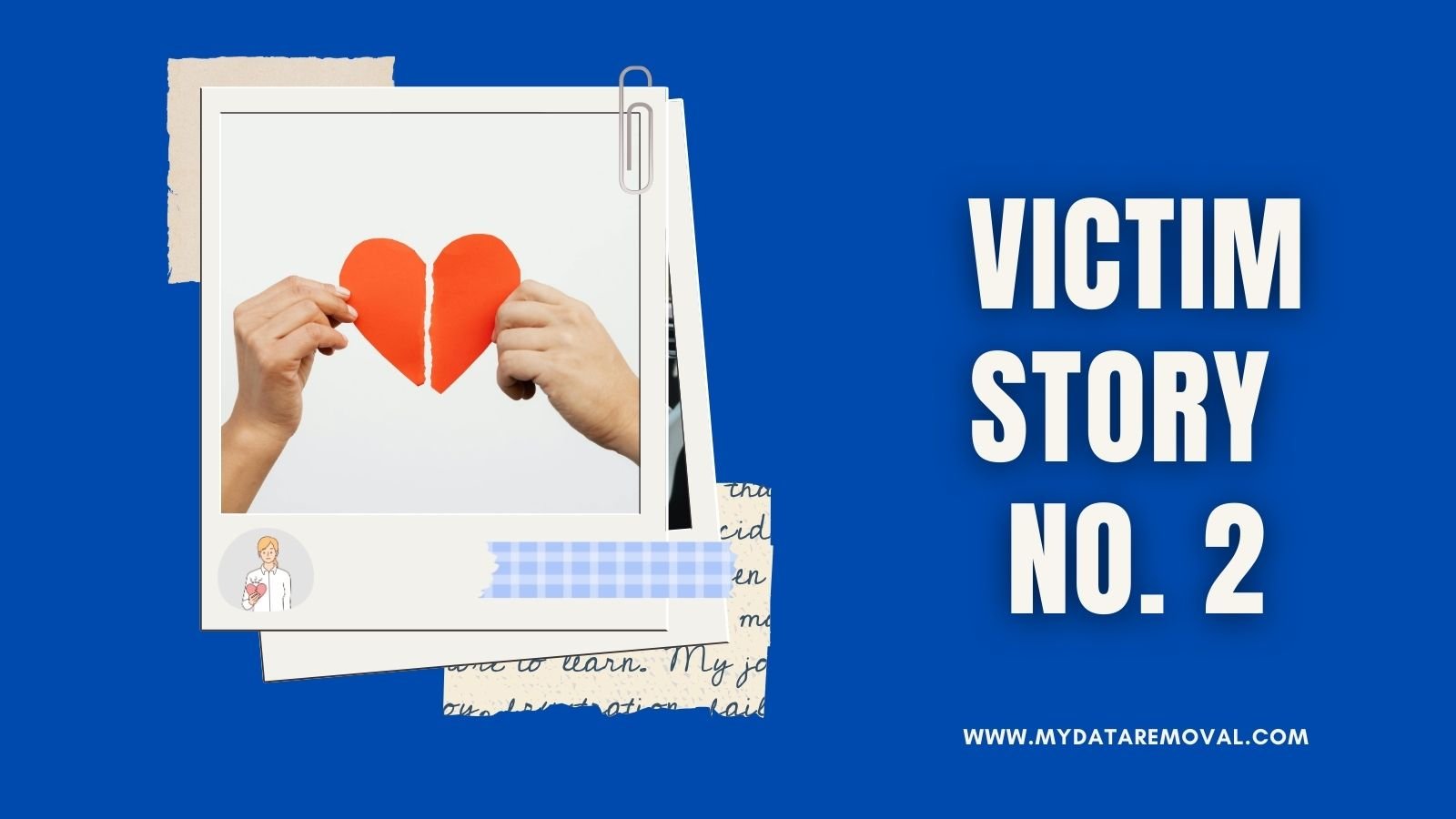
Our second story is about a romance scam. The victim’s story was shared with ScamWatch.
We'll call the victim Mark. He was contacted on Facebook by a scammer pretending to be from the US military stationed in Afghanistan.
The scammer gained Mark’s trust and built an emotional connection through consistent contact. Eventually, the scammer convinced Mark to send iTunes cards. The scammer would reassure Mark, saying he'd see and marry him. However, the scammer would say that the meeting would be delayed due to a “special mission.”
The scammer would come up with many reasons why he couldn't return home and see Mark. But one day, he said that he was already in Togo, Africa, and claimed he's not in the military anymore. Still, he could not come home and meet Mark.
Eventually, Mark said he received gold from a man he saved in the Middle East. He claimed he wanted to send it to Mark, but it was seized, and he was put in jail. He said he pleaded for $8,000 to be free. Then, he asked Mark to send $4,500, and promised that the church would give half the money. Mark did send the money.
According to his siblings, Mark still struggles to accept that this was a scam and that he still wants to send more money.
This is a classic military romance scam. Scammers impersonate military personnel to exude a calm demeanor, professionalism, and loyalty. Additionally, by posing as military personnel overseas, their reasons for not being able to meet up become more believable.
What makes this scam more effective is that scammers are playing with our emotions. They know that when their targets are in love, they lower their guard and become more vulnerable to manipulation.
What You Can Do

Now that you know how damaging scams can be, here are some things you can do to avoid becoming a victim:
- Verify Independently: Make sure to verify your contacts independently, be it an employer offering a high-paying job or a person you met through online dating. Verify by using official websites, researching companies for reviews, and using reverse image search to verify identities.
- Scam Savvy: You should also learn about scams—how they work, why they work, the red flags, prevention tips, and recovery steps. You can learn all of this through Scam-Savvy How to Protect Yourself and Spot a Scam.
- Use Secure Practices: You can also be safer from scams by employing best security practices. This includes using strong passwords, turning on multi-factor authentication (MFA), and ensuring that your devices are up-to-date to patch vulnerabilities that scammers could exploit. We also recommend using a password manager, which will help you ensure that your passwords are unique and safe.
- Opt Out: Scams thrive because scammers have access to our information. They can find your number online to send you phishing texts. If they know your home address, they can visit you at home and scam you in person. That's why it's important to remove your information online. You can do that by opting out of data brokers, which are companies that collect and sell personal information.
Conclusion
These are just stories from two scam victims. There are more stories you can find online. And the truth is, some victims don't share or report their stories. These stories help us understand the impact of scams, not just the financial loss, but also the emotional toll. You can protect yourself by staying aware, following best security practices, and removing your information online.
Frequently Asked Questions
What excuses do scammers use to avoid meeting up in person?
There are three common excuses scammers use to not meet in person. This includes “‘I’m traveling for work,” “I'm having family issues,” and 'I'm too shy to meet.” Often, scammers say that they're overseas, so meeting in person is not easy.
How do you cope after being scammed?
First, secure yourself and your devices. This includes accepting your feelings and realizing that it’s not your fault. Avoid blaming yourself. The next step is reporting. Collect evidence, such as numbers or screenshots of your conversation, and then file reports with the local police or agencies like the FBI’s IC3.
What can you say to someone who’s been scammed?
To support a friend or loved one who’s been victimized, you should be non-judgmental and provide empathy. Remember that they might already be judging themselves. So, instead of saying judgmental things, just provide a listening ear to let them know they’re not alone.